So you're running a community event on the Peninsula: the 12-week checklist
A real, week-by-week checklist for the volunteer running the benefit dinner, the church night, or the school auction — from the people who've worked a lot of them.
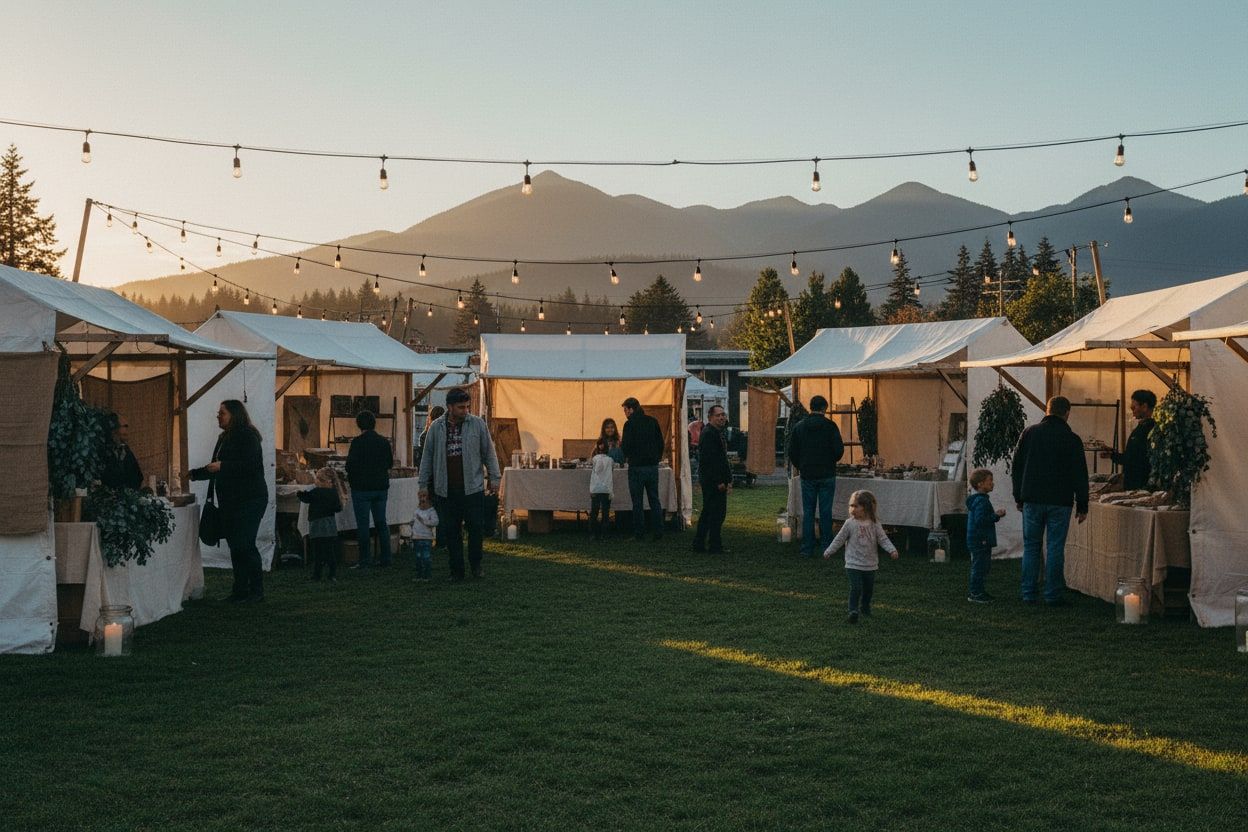
So the committee looked around the room, and somehow it’s you. You’ve got a date, a rough idea, and a knot in your stomach about all the parts you can’t see yet.
A community event isn’t a mystery, though. It’s a list, run in order, with enough runway that nothing turns into a fire drill. We’ve worked the CrabFest booth shift, set up the church auction, and struck the school gym at midnight — so this is the list we’d hand a friend. Steal all of it.
12 to 10 weeks out: lock the bones
The big, slow-to-change decisions live here.
- Pick the date — then check it against the county. Don’t put your benefit dinner on the same Saturday as CrabFest, Lavender Weekend, the Irrigation Festival, or the Clallam County Fair. You’ll lose volunteers, vendors, and attention to the bigger draw. The calendar here is small, and collisions are real.
- Write the goal in one sentence with a number in it. Raise $8,000. Feed 200 neighbors. Fill the gym. Everything after this serves that number.
- Draft the budget out loud. Venue, rentals, food, insurance, permits, marketing, and a 10% “we forgot something” line — because you will. Put a dollar figure next to each one even if it’s a guess. You’ll firm the guesses into real quotes as vendors come in.
- Book the venue, and ask it two questions in writing. What’s included — tables, chairs, kitchen, trash, parking? And what do they want for insurance? A church hall, a school gym, the Guy Cole or the Vern Burton, the fire hall out in Joyce — all fine, all different about what they actually hand you.
- Make the rain call now. It’s the Peninsula. Sequim sits in the Blue Hole — about 16 inches of rain a year — but drive west and it climbs fast. Outdoors? Decide the tent or the indoor backup room today, not the week of.
- Call about permits and insurance. Call the city or the county where you’re gathering and ask, plainly: do we need a permit, and will you want a certificate of insurance? If you’re serving food, pouring alcohol, closing a street, or running amplified sound, say so on that call. Confirm it — don’t assume you’re fine.
9 to 7 weeks: people and paper
- Name a volunteer captain who isn’t you. One person owns volunteers — recruiting them, scheduling them, and running the check-in table on the day. You can’t run the event and the volunteers at once. Split it.
Two leads, split the way we split every event: one on the vendors and the clock, one on the room and the people. Nothing falls through the crack between them.
- Build the volunteer list with real names and real shifts. Setup, check-in, food runners, a floater, teardown. Recruit teardown first — the shift nobody signs up for, and the one that saves your night.
- Start the insurance paperwork. If the county or the venue wants a certificate of insurance, request it now. It takes longer than you’d think.
6 to 4 weeks: vendors, rentals, and getting the word out
- Book your vendors in writing. Caterer first, then anyone who needs power, water, or space. Get arrival time, what they bring, and what they need from you — a table, a 10-by-10 spot, an outlet.
- Order rentals early. We don’t own tables, chairs, tents, or linens — on purpose — and there’s a good rental outfit on the Peninsula your venue or caterer can point you to. Tents and heaters go fast around Lavender Weekend and CrabFest, so book ahead and count twice.
- Start marketing now, not in the final week. What actually moves people here: the church and school newsletters, the community Facebook groups, a flyer at the library and the coffee stand, the Saturday market, the local paper’s events calendar, the radio community calendar. In a county this size, word of mouth is the whole ballgame.
- Make one graphic and reuse it everywhere. Five things, nothing more: what it is, who it’s for, when, where, and how to give or buy a ticket. If your volunteers can’t repeat it back, neither can the public.
3 to 2 weeks: the run-of-show
- Write the run-of-show. One page, minute by minute: load-in start, volunteer arrival, doors, the program beats, dinner, the ask, teardown. This single sheet is the event. Everyone who’s leading gets a copy.
- Reconfirm every vendor. Arrival window, a cell number that reaches a real human, and what they need from you. Yes, again.
- Make your signs now. Parking, entrance, check-in, bathrooms, the auction, the exit. A sign made calmly two weeks out beats a Sharpie sign made in the parking lot at 8 a.m.
- Do the bathroom and trash math. Count heads against toilets. Short, or out in a park? Order porta-potties and a hand-wash station — that’s a rental too. Then plan trash: cans, bags, who empties them, and where the full ones go. Nobody thinks about trash until it’s spilling over at hour two.
- Send the shift schedule. Your captain gets every volunteer their time, their lead, and their job — in writing.
The final week: confirm everything twice
- Give the caterer the final count. Reconfirm every vendor one more time.
- Print it all. Run-of-show copies, signage, name tags, the check-in list. Paper doesn’t lose signal.
- Walk the site with both leads. Where’s power? Where do cars go? Where’s load-in? And who calls the rain plan, by when?
- Check the weather midweek and again the night before. Name the person who makes the rain call and the exact time they make it. A maybe isn’t a plan.
- Pack the day-of kit. Gaff tape, zip ties, Sharpies, scissors, extension cords, a first-aid kit, the cash box and its float, phone chargers, and water for your crew.
- Send volunteers the final note. Shift time, where to park, who to find, what to wear.
Day-of: the morning is the whole game
- Get there before your earliest vendor. A calm morning makes a calm day. A late morning never quite recovers.
- Set the check-in table first. That’s mission control — it’s where the captain lives.
- Signage up before a single guest arrives. People coming in off the 101 should never have to guess where to park.
- Huddle the volunteers for five minutes. The plan, their lead, and where the bathrooms, trash, and water are. Then let them go.
- Work your sheet, not your phone. One lead on the room, one on the clock. Trust the captain to run the volunteers — that’s why you named one.
- Load-out is a plan, not a scramble. Your teardown crew, the shift list, and what leaves tonight versus what the venue holds. Count the rentals back into their crates so you’re not paying for a “missing” chair that’s under a table.
The week after: the part everyone skips
- Say thank you within the week. Vendors, volunteers, donors, the venue. Handwritten to the big ones. This is next year’s yes, and it costs a stamp.
- Reconcile the money. What came in, what went out, whether you hit the number. Write it down while the receipts are still in the shoebox.
- Return the rentals on time. A late return is a fee. Don’t donate money to the rental company by accident.
- Debrief while it’s fresh. Thirty minutes with your leads: keep, fix, drop. Three columns. Hand it to next year’s committee — it’s the best gift you can leave them.
You can run this yourself
Truly. People all over this county pull off benefit dinners, church nights, and school auctions every year with a binder and a good captain. This list is most of the secret.
And if you want two more hands on the day — or just a Power Hour to sit with your plan and find the holes before they find you — that’s $150, both of us, one hour — then go run it yourself if that’s all you need. People do exactly that, and it goes great. Scoped help for a full event starts around $1,500, or $85 an hour for the pair, but the Power Hour is the honest first call.
Community and festival work is our home turf. It’s the work this county runs on, and we love it. Email us at hello@curryevents.co, see what we do on our services page, what it runs on pricing, or just tell us what you’ve got. We’ll tell you honestly whether you even need us.